Blog
Most dangerous trees give warning signs before they fail although the problem is that most property owners don't notice them until a branch comes down or a storm pushes the whole tree over.
Across the land, spring and summer storm season puts enormous pressure on trees, with strong winds, heavy rain and then saturated soil all combining to expose weaknesses that were there long before the first storm cell rolled in. Of course, winter is the best window to get ahead of these problems as the thinner canopies and less active growth make noticing the problems far easier to see. More importantly, conditions are still calm enough to manage problems safely and on your own terms and not in the aftermath of a storm.
Here are some things to look for.
1. Start at the Root Zone
Every tree stands or falls on its root system, and the first signs of trouble often show up at ground level before anything else changes. So walk around the base of the trunk and pay close attention to the soil. Fresh cracking, lifting ground or exposed roots can indicate the tree is beginning to move. And this is a process that often starts after sustained rain, when softened soil loses its grip around the root plate. It doesn't always happen quickly as sometimes a tree will shifts gradually over weeks or months before complete failure occurs.
Fungal growth around the base is another warning worth taking seriously. Mushrooms or bracket fungi growing from the trunk base or root flare can signal internal decay that isn't visible from the outside. The tree may still be producing leaves and looking perfectly healthy while the structural timber inside is already breaking down.
This matters because the base carries the full weight of everything above it. Once enough sound wood is lost at that level, the tree becomes significantly less stable in high wind.
2. Check the Trunk Carefully
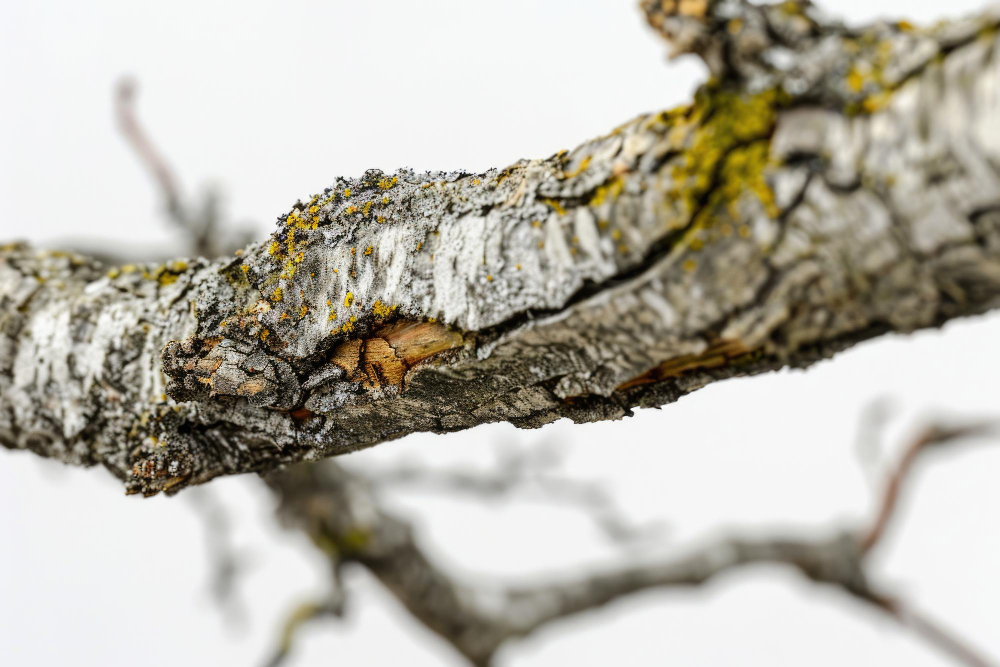
The trunk carries the load of the entire tree, and any structural defects here go well beyond cosmetic concerns. Walk fully around the tree and inspect the bark from multiple angles and look for deep vertical cracks, splitting timber, cavities or sections where the trunk appears swollen or distorted. Some older gums naturally develop minor hollows over time, but large cavities can substantially reduce structural strength. A tree can continue pushing out new growth while the internal wood hollows out beneath the bark.
Deep cracks are particularly concerning as they often indicate that wood fibres are separating under load, and during strong wind events those weak points can fail without much warning. Also watch for loose bark, fungal growth higher on the trunk, or old wounds that never sealed properly.
Any large tree showing these symptoms warrants professional assessment as this will determine whether targeted pruning can manage the risk or whether removal is the safer long-term option.
3. Look Through the Canopy
Winter strips back the canopy enough to make the upper structure far easier to read, and that's worth taking advantage of. Dead branches are usually dry, brittle and lacking healthy bark. They don't flex the way live wood does which means they can snap under load without much warning. Larger dead limbs carry more weight and less flexibility, a combination that makes them genuinely hazardous over anything people or animals use regularly.
Look also for broken branches suspended in the canopy as they can sit lodged up there for months before dropping. Never attempt to pull hanging branches down yourself because once tension changes in damaged timber, it can shift unpredictably.
Pay close attention to how major limbs connect to the trunk. Tight V-shaped unions are structurally weaker than wider, more open attachments. As the stems grow, bark becomes trapped between them, and over time moisture and decay develop inside that union, essentially acting as a wedge that increases the likelihood of splitting during a storm.
4. Watch for Any Change in Lean
A gradual lean that's developed over many years is usually just a tree growing toward light, while a sudden or increasing lean is a different matter entirely. So if a tree has shifted position (particularly after wet weather or wind) the root system may already be failing underground. That concern is compounded if the soil around the base is cracking or lifting at the same time. Once roots begin losing their grip, the process can accelerate quickly once the next storm front arrives. Any large tree showing a new or worsening lean should be assessed by a qualified arborist before it becomes an emergency situation.
Why Getting Ahead of Storm Season Matters
Most major tree failures happen during severe weather, but the conditions that cause them develop long before the storm arrives. The winter months is the time to identify those conditions while they're still manageable as small defects are far easier and less costly to address early. Once a branch splits or a trunk fails, the situation becomes more dangerous and considerably more expensive to resolve.
Preventative pruning can significantly reduce risk before storm season puts the tree under pressure. In some cases, where decay or root failure has progressed too far expert tree removal is the right call. Some problems are visible to any careful observer. Others require professional assessment to properly understand the level of risk involved.
Arrange an inspection if you notice any of the following:
- Cracking or lifting soil around the base
- A sudden or increasing lean
- Large dead branches in the canopy
- Deep splits or cracks in the trunk
- Fungal growth on the trunk or roots
- Hollow cavities in the trunk
- Hanging branches after a storm
- Trees growing close to homes, sheds, driveways or powerlines
So if you have trees you're unsure about, getting an inspection done before storm season is always the better side of that decision.


© 2020. All rights reserved. AusTrim Tree Services.