Blog
That large tree on your property has you concerned. Whether branches are dropping too close to the house, roots are lifting pavement, or the trunk shows signs of decay, you're wondering if removal is the right call. Before making that decision, there are several critical factors every property owner should understand.
Understanding Legal Requirements and Council Regulations
One of the first things to consider before removing a tree is whether you're actually allowed to do so. Many homeowners are surprised to learn that tree removal is often regulated, even on private land. Councils commonly protect certain tree species or trees over a specific size and removing one without approval can result in fines or legal issues that quickly outweigh the original problem.
Rules can vary depending on where you live, which is why checking local regulations should be your first step. In areas like the South Burnett, regulations may exist to protect native trees or manage environmental impact. Even if a tree appears unhealthy or inconvenient, there may still be processes to follow. Some situations require an assessment or written approval before work can begin.
Understanding these requirements early prevents delays and frustration later. It also ensures the tree is handled responsibly and lawfully. A professional assessment can help determine whether a tree qualifies for removal, pruning or monitoring instead, saving you from unnecessary stress and ensuring everything is done the right way from the start.
Considering the Environmental Impact
Trees play a quiet but powerful role in the environment around your home. They provide shade that cools your property, improve air quality, stabilise soil, and support local wildlife. Removing a tree can affect more than just your backyard, especially if it has been part of the landscape for decades.
Before committing to removal, consider how that change might impact your immediate environment. Birds, insects and small animals often rely on mature trees for shelter and food. The loss of shade can also change how heat moves across your property, increasing temperatures around your home and garden during the harsh summers.
In some cases, a tree may be causing more harm than good, particularly if it's diseased or structurally unstable. When that happens, removal can be the most responsible option. The key is understanding whether removal is genuinely necessary or if targeted pruning or treatment could extend the tree's life while maintaining safety. An informed assessment ensures the decision benefits both your property and the surrounding ecosystem.
Identifying Safety and Structural Risks
Safety should always be a top priority when considering tree removal. Trees that are damaged, leaning, hollow, or dropping branches pose a real risk to people, homes, vehicles and neighbouring properties. These risks increase significantly during storms or high winds, when weakened trees are more likely to fail without warning.
Structural issues aren't always easy to spot from the ground. Internal decay, root damage or past storm trauma can compromise a tree's stability long before visible signs appear. Trees located near buildings, fences, sheds or power lines require even more careful evaluation, as mistakes during removal can cause serious damage.
Electrical hazards are particularly dangerous. Trees growing near overhead lines create life-threatening risks if handled incorrectly. This requires proper planning, specialised equipment and professional experience to ensure the tree is removed safely and without incident. A thorough risk assessment helps identify potential hazards before work begins, reducing the chance of accidents or costly repairs.
Recognising Signs of Decay and Decline
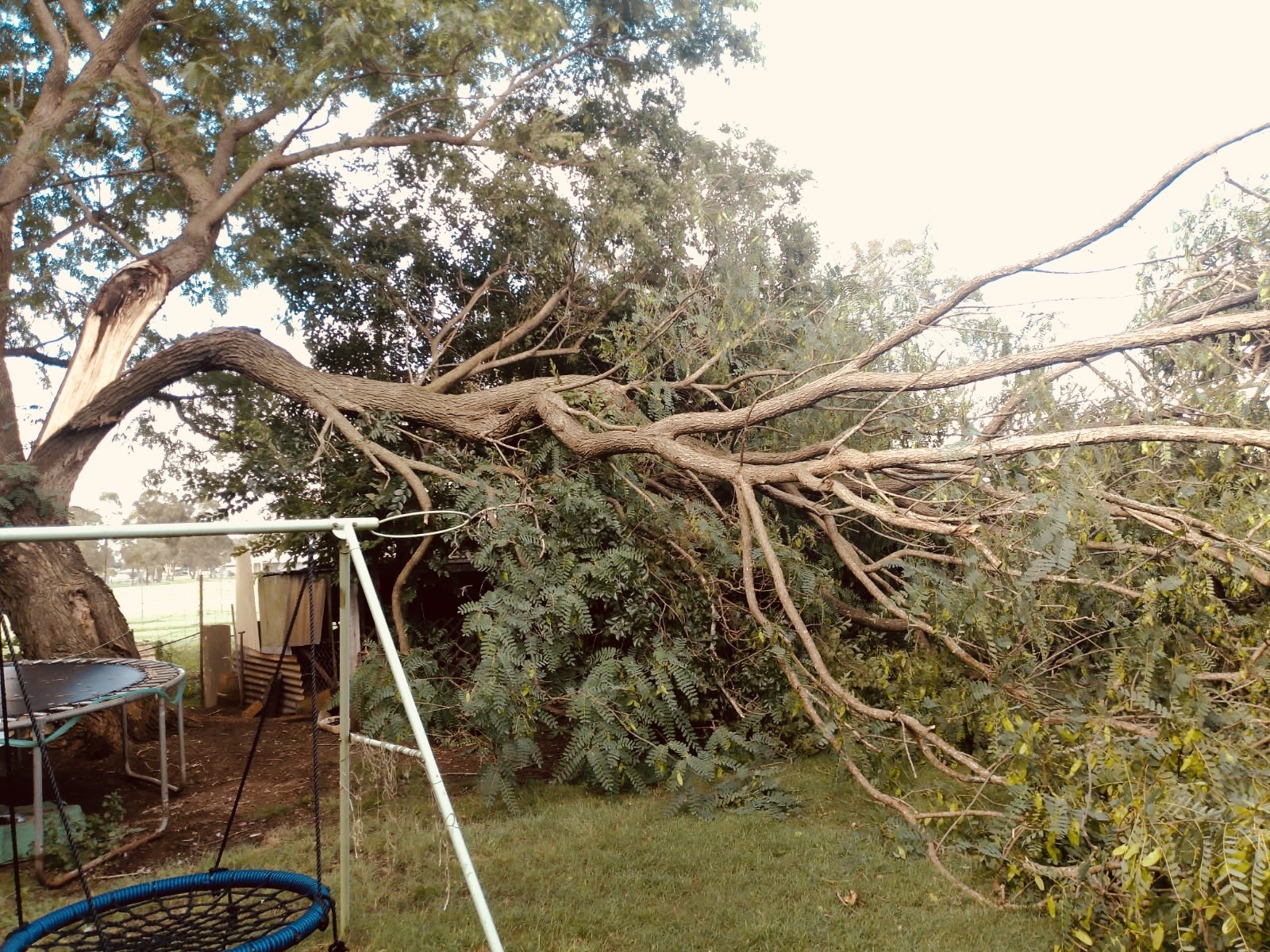
A tree doesn't have to be completely dead to be dangerous. Decay often starts internally, weakening the structure while the outside still looks relatively healthy. Watch for cracks in the trunk, soft or spongy wood, fungal growth or hollow sections are all signs that a tree may no longer be structurally sound.
Loose or decaying branches are another concern. These can fall unexpectedly, even on calm days, creating a risk for anyone nearby. Over time, decay spreads, making the tree more unpredictable and difficult to manage. In these cases, removal may be the safest option, particularly if the tree is close to frequently used areas like driveways, outdoor entertaining spaces, or children's play areas.
Understanding these warning signs early allows for proactive decisions rather than reactive scrambling after damage has already occurred. An experienced arborist can identify issues that aren't immediately obvious and recommend the most appropriate course of action, whether that's removal or another form of care.
Making an Informed Decision
Tree removal is a significant step that requires careful consideration of legal requirements, environmental impact and safety risks. When a tree genuinely poses a risk or has reached the end of its lifespan, professional guidance ensures the job is handled safely and responsibly. So if you're uncertain about a tree on your property, contact us for professional advice. We'll help you understand your options and ensure any necessary work is completed to the highest standard.

© 2020. All rights reserved. AusTrim Tree Services.